
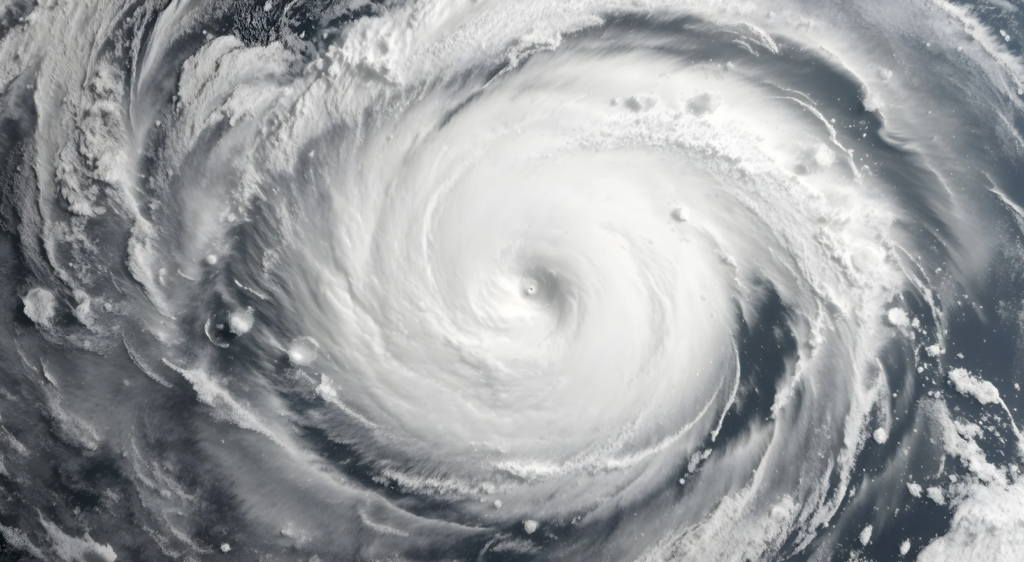
For homeowners living in high-exposure coastal enclaves like South Tampa, Davis Islands, and Sunset Park, severe weather mitigation is no longer a theoretical concern—it is an absolute financial and structural reality. As storm seasons grow increasingly volatile, affluent property owners face a critical decision regarding their real estate assets. They must evaluate whether to structurally reinforce their older, historic properties or clear the lot entirely to engineer a modern fortress from the ground up.
Navigating this crossroad requires a deep understanding of local building codes, structural engineering limitations, and the hidden federal mandates that dictate residential renovations in coastal Florida. When assessing the most viable path to protect your family and your capital, understanding the financial parameters of a comprehensive hurricane hardening Tampa initiative is the vital first step toward securing long-term peace of mind.
1. The FEMA 50% Rule: The Legal Catalyst for Structural Decisions
The absolute defining factor in the debate between a structural retrofit and a total rebuild is a federal regulation known as the FEMA Substantial Improvement / Substantial Damage Rule (commonly called the 50% Rule). For any residential property located within a Special Flood Hazard Area (SFHA) in the Tampa Bay area, this rule severely limits standard remodeling projects.
Under this mandate, if the cost of a home renovation or structural repair equals or exceeds 50% of the market value of the existing structure (excluding land value), the entire building must be brought into full compliance with current flood management regulations. This means:
- Mandatory Foundation Elevation: The home must be physically elevated above the Base Flood Elevation (BFE) required for your specific zone.
- Structural Hydrostatic Support: Lower levels must be re-engineered with flood openings or breakaway walls.
- Full Code Realignment: All mechanical, plumbing, and electrical infrastructure must be moved above the flood line.
If an older estate requires extensive modernization alongside a hurricane hardening Tampa project, crossing that 50% threshold is incredibly easy. In these scenarios, attempting a complex, piecemeal structural retrofit can become more costly and invasive than demolishing the old property and executing a clean, compliant custom build. This legal reality is a major reason savvy investors look closely at the numbers when evaluating a strategic investment in Tampa custom homes beyond the price per square foot.
2. The Mechanics of a Structural Retrofit: Armoring Your Existing Shell
If a property has high historical or sentimental value and sits safely outside the restrictive FEMA thresholds, a structural retrofit is a highly targeted method to secure the home against high-velocity hurricane zones (HVHZ).
A true hurricane hardening Tampa retrofit does not stop at cosmetic upgrades. It requires an experienced general contractor to access the core structural skeleton of the home to establish a continuous load path—ensuring that wind forces hitting the roof are successfully transferred down through the walls and anchored securely into the foundation. A standard structural retrofit checklist involves:
- Roof-to-Wall Structural Ties: Retrofitting heavy-duty galvanized steel hurricane straps to secure the roof trusses directly to the concrete tie-beams or vertical framing studs.
- Impact-Rated Enclosures: Replacing all exterior windows and doors with multi-layer laminated glass systems capable of resisting Category 5 missile impacts.
- Reinforced Garage Openings: Upgrading to engineered, heavy-gauge steel garage doors to prevent pressure blowouts, which are the leading cause of residential roof collapses during major storms.
While these localized structural reinforcements heavily fortify your property, they must be meticulously planned alongside your other home environments. For instance, installing heavy-duty impact windows and completely sealing the building envelope changes the home’s thermal dynamics. Without proper HVAC adjustments, a newly sealed house can trap massive amounts of moisture indoors, which directly impacts how you handle managing Tampa’s humidity and maximizing thermal comfort over the long term.
3. The Total Rebuild Advantage: Engineering a Modern Fortress
When an existing home features structural deficiencies—such as degraded wood framing, unreinforced masonry walls, or an outdated foundation—investing capital into a retrofit is often a losing financial battle. Opting for a total rebuild allows architects and structural engineers to deploy modern materials that make the property virtually impenetrable to coastal elements.
Building a new custom estate from the ground up allows the deployment of advanced structural systems, such as Insulated Concrete Forms (ICF) or reinforced solid-poured concrete blocks. These building methodologies offer unmatched wind resistance up to 200 MPH, exceptional acoustic dampening, and superior energy efficiency.
Furthermore, a total rebuild allows you to design modern, open-concept spaces with massive spatial volume right from the foundation phase, eliminating the awkward layout compromises that often plague older, retrofitted structures.
This baseline architectural flexibility is essential when designing open-concept floor plans that actually feel cozy and architecturally sound from day one.
4. The Insurance and Appraisal Premium: ROI on Storm Resilience
In Florida’s real estate climate, homeowners insurance premiums are a massive operational expense that directly dictates a property’s overall market capitalization and secondary liquidity. Properties constructed under old building codes carry severe financial liabilities, whereas homes built with elite storm-resilient engineering command a massive market premium.
Whether you choose a comprehensive structural retrofit or a complete architectural rebuild, executing a certified hurricane hardening Tampa project dramatically alters your asset’s financial profile. A fully hardened home secures maximum wind mitigation credits from insurance underwriters, drastically dropping annual premium costs.
Furthermore, local appraisers and luxury buyers place immense value on structural safety documentation. Properties that can officially prove a continuous load path, full impact glass integration, and FEMA compliance sell much faster and secure an elite premium on the secondary market.
This upfront investment in core structural protection acts as the baseline guarantee for securing a high return on your real estate portfolio, outperforming superficial updates and matching the success of high-value ROI on appraisal-first remodeling projects in Tampa.
Secure Your Legacy with Nexus Design Corp
Protecting your real estate asset against the forces of nature requires elite engineering, strict code compliance, and meticulous craftsmanship. Whether your property is an ideal candidate for an advanced structural retrofit or requires a complete custom reconstruction, you need a partner who understands the complex coastal realities of the Florida landscape.
At Nexus Design Corp, we specialize in high-end custom home construction, luxury remodeling, and advanced structural storm mitigation. Our elite team handles every phase of your hurricane hardening Tampa project—from structural engineering diagnostics and navigating complex FEMA compliance rules to installing premium impact envelopes and heavy-duty foundations. We ensure that your home stands as an architectural triumph and an unbreakable coastal fortress for generations to come.
Do not wait for the next storm season to test your home’s structural limits. Contact Nexus Design Corp today to schedule an executive structural consultation.