
Why Humidity Destroys the Wrong Floor
Flooring for Florida humidity works best when the material is completely resistant to moisture absorption — because Tampa’s average relative humidity sits above 74% year-round, and that number climbs even higher during rainy season from June through September.
That constant moisture in the air gets into flooring materials the same way it gets into everything else. Wood swells. Laminate bubbles. Grout darkens with mold. If your floor wasn’t designed for this environment, you’ll start seeing the damage within a year — sometimes sooner.
The good news is that today’s flooring market has excellent options specifically engineered for high-humidity climates. Knowing which ones to pick — and which to avoid — is the difference between a floor that lasts 20 years and one you’re replacing in five.
The Best Flooring Options for Tampa Humidity
1. Luxury Vinyl Plank (LVP)
LVP is widely considered the top choice for Florida homes, and for good reason. It’s 100% waterproof from core to surface — not just water-resistant. It won’t swell, buckle, or warp even in rooms where moisture levels fluctuate constantly, like bathrooms, laundry rooms, and kitchens.
Modern LVP also looks remarkably close to real hardwood. The embossed texture and realistic grain patterns make it hard to distinguish from wood at a glance. If you want the warmth of a wood-look floor without the maintenance headaches that real wood brings in Florida, LVP is the answer.
2. Porcelain Tile
Porcelain tile is the gold standard for moisture resistance. It’s fired at higher temperatures than ceramic tile, making it denser and virtually impervious to water. It also stays naturally cool underfoot — a genuine comfort bonus when Tampa temperatures push into the 90s.
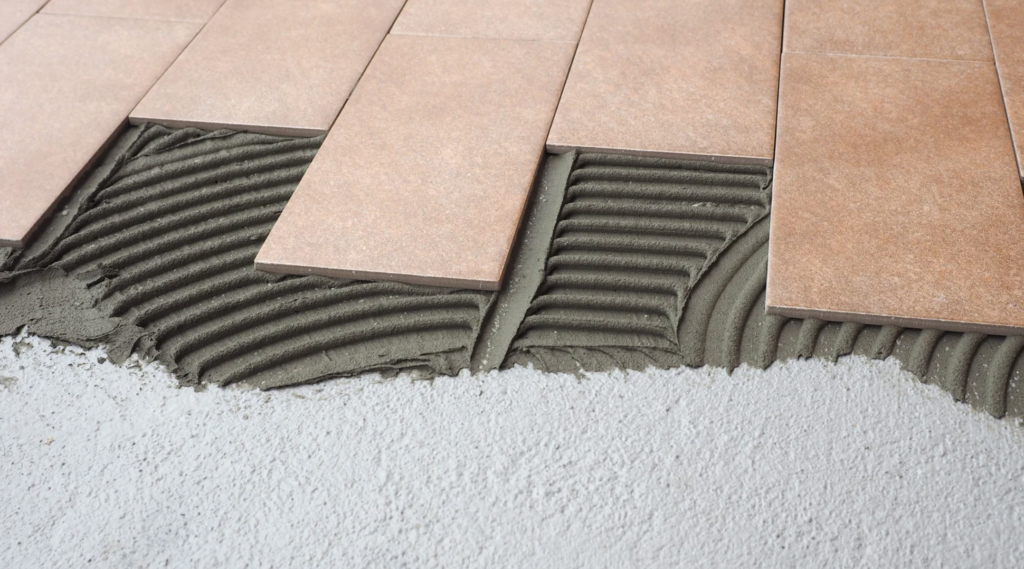
The trade-off is comfort and installation cost. Tile is hard underfoot, cold in air-conditioned rooms, and requires a skilled installer to lay correctly. Poor tile work — uneven substrate, improper grout spacing — leads to cracked tiles and failed grout joints within a few years. When done right, though, porcelain tile in a Tampa home can last decades with minimal upkeep.
3. SPC (Stone Plastic Composite)
SPC is a newer category that sits between LVP and tile in terms of rigidity and performance. Its core is made from limestone powder and PVC, which makes it extremely dense and completely waterproof. It’s also more dimensionally stable than standard LVP, meaning it handles temperature swings better — important in Florida homes that go from hot outdoor air to heavy air conditioning.
If you want to understand how SPC compares to laminate in detail, we cover that breakdown in SPC vs Laminate Flooring: What’s the Difference.
What to Avoid in Florida Homes
Solid hardwood
Real wood and Florida humidity simply don’t get along. Solid hardwood expands and contracts with moisture changes. In Tampa’s climate, this means constant movement — boards cup, gaps open, finishes crack. Most flooring professionals won’t warranty solid hardwood installations in Florida at all.
Standard laminate
Traditional laminate has an HDF (high-density fiberboard) core that acts like a sponge in humid conditions. Once moisture gets to the core — through an AC leak, a spill that sits too long, or just years of ambient humidity — the boards swell and the surface bubbles. Waterproof laminate products exist, but they still carry more risk than LVP or SPC in a Florida environment.
Carpet in moisture-prone rooms
Carpet isn’t automatically a bad choice for Tampa bedrooms, but it’s a poor call anywhere near moisture. Bathrooms, laundry rooms, and covered patios with carpet are mold and mildew risks. Once carpet holds moisture, the smell never fully goes away.
Room-by-Room Recommendations
Not every room in your Tampa home carries the same moisture risk. Here’s a practical guide by space:
Kitchen and bathrooms: Porcelain tile or LVP. No exceptions. These rooms see water daily, and the flooring needs to handle it without question.
Living and dining rooms: LVP or SPC are excellent. They provide the warmth and style of wood without the humidity risk.
Bedrooms: LVP works well. Carpet is acceptable if the room stays dry and well-ventilated — but many Tampa homeowners are moving away from bedroom carpet entirely for allergy and maintenance reasons.
Florida rooms and covered patios: Porcelain tile only. These spaces are semi-outdoor environments and need a material that handles both direct moisture and temperature extremes. We go deeper on materials for outdoor spaces in our guide to patio renovation in Tampa.
If you’re planning a full home renovation and need to think about flooring across an open layout, the decisions get more nuanced — our article on how to choose flooring for an open floor plan in Tampa walks through the key considerations.
Quick Comparison: Flooring Performance in Tampa’s Climate
| Material | Waterproof? | Humidity Resistance | Comfort Underfoot | Recommended |
|---|---|---|---|---|
| LVP | Yes | Excellent | Good | ✓ All rooms |
| Porcelain Tile | Yes | Excellent | Moderate (hard/cool) | ✓ Wet areas, patios |
| SPC | Yes | Excellent | Good | ✓ All rooms |
| Solid Hardwood | No | Poor | Excellent | ✗ Not recommended |
| Standard Laminate | No | Poor | Good | ✗ Not recommended |
| Carpet | No | Poor | Excellent | ⚠ Dry bedrooms only |
Frequently Asked Questions
Is LVP better than tile for Florida homes?
Both are excellent choices for Florida humidity — they’re 100% waterproof and handle moisture without issue. LVP is warmer and softer underfoot, making it better for living areas and bedrooms. Porcelain tile stays cooler and is more durable in wet areas like bathrooms and patios. Many Tampa homeowners use tile in wet zones and LVP throughout the rest of the home. You can compare both in more depth in our guide to LVP vs Porcelain Tile for Tampa homes.
Can I install hardwood floors in Tampa?
Engineered hardwood — which has a real wood veneer over a plywood core — handles humidity significantly better than solid hardwood and can work in Tampa if installed with proper acclimation and subfloor moisture control. Solid hardwood, however, is not recommended for Florida’s climate. The expansion and contraction caused by humidity swings leads to cupping, gapping, and finish failure. If you want a wood look, LVP delivers the same aesthetic without the risk. Our full comparison is available in Hardwood vs LVP: Which is Right for Your Tampa Home.
Does waterproof flooring cost more in Tampa?
Waterproof LVP and SPC are priced competitively with mid-range laminate and hardwood options. You’ll typically pay between $3 and $7 per square foot for materials, depending on wear layer thickness and brand. When you factor in longevity — a waterproof floor that lasts 20 years versus a laminate that needs replacing in 5 — the cost per year is actually lower. Full pricing details are covered in our article on flooring installation costs in Tampa.
How do I know if my current flooring has humidity damage?
Common signs include boards that have lifted or cupped at the edges, visible bubbling or warping on the surface, soft spots that flex underfoot, a persistent musty smell even after cleaning, and grout that has darkened or crumbled. If you’re seeing any of these in your Tampa home, it’s worth getting a professional assessment before the damage spreads to the subfloor.
At Nexus Design, we only recommend what actually works. Our crews install flooring daily across residential projects — we know which materials hold up and which ones fail in high-humidity environments. That field experience is what guides every recommendation we make.